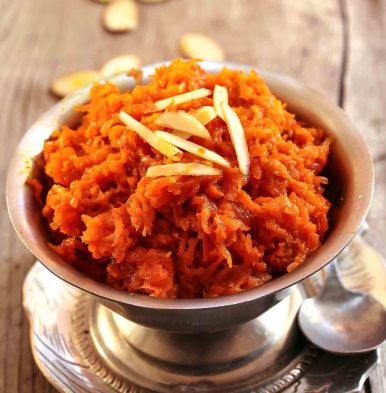
Healthy Carrot Halwa (Dessert)

Beetroot_and_Carrot_Halwa_Recipe-1

Carrot Halwa (pronounced Hal-va) is a favourite punjabi dessert that I was lucky enough to be introduced to by a friend a couple of weeks ago. The dessert is traditionally made from carrots, sugar and ghee (plus nuts/dried fruit/spices – depending on the recipe). I have experimented with this recipe since tasting it, to make a healthy and still delicious version. The resulting recipe is below, providing a subtly sweet treat reminiscent of a spicy carrot cake/chai/pudding as well as a serve of vegetables all in one. The dessert is versatile – delicious both hot/cold, with some yoghurt, or even added to your morning porridge (my current favourite). The below recipe is also vegan. Enjoy!

Healthy Carrot Halwa

Preparation Time: 20 Minutes

Cooking Time: 50 Minutes

Serves: 10

INGREDIENTS

  • 1kg Carrots (grated)
  • 1.5L Almond Milk
  • 2 Tsp Ground Cardamom
  • 1 Clove Star Anise
  • 1 Cinnamon Quill
  • 1/3 Cup Slivered Almonds
  • 8 Dates (chopped as finely as possible)
  • 2 Tbsp Sultanas

METHOD

  1. Place grated carrot, milk, ground cardamom, star anise and cinnamon quill in pan and bring to boil. Once at boiling point, reduce heat to a simmer.
  2. Add slivered almonds and simmer for 40-50 minutes stirring occasionally, until milk is close to being completely evaporated.
  3. Add dates and sultanas, and continue cooking until milk is completely evaporated.
  4. Dessert can be served warm all cold, and is delicious served by itself or with a dollop of yoghurt. Enjoy!

*TIPS*

  • Due to being a moist dessert – the carrot halva should be kept in the fridge once cooled (can be heated prior to consuming if you prefer it warm), and kept for no more than 5-7 days. It can also be frozen and kept for up to 3 months – I would recommend freezing in single serve containers (great to grab out of the freezer and defrost as a delicious snack at work).
  • If you prefer your desserts on the sweeter side, you can also add 1-2 Tbsp of brown sugar when adding your dried fruit. This gives the dessert a sweeter taste, but also adds some extra Kj’s/calories – so be mindful.
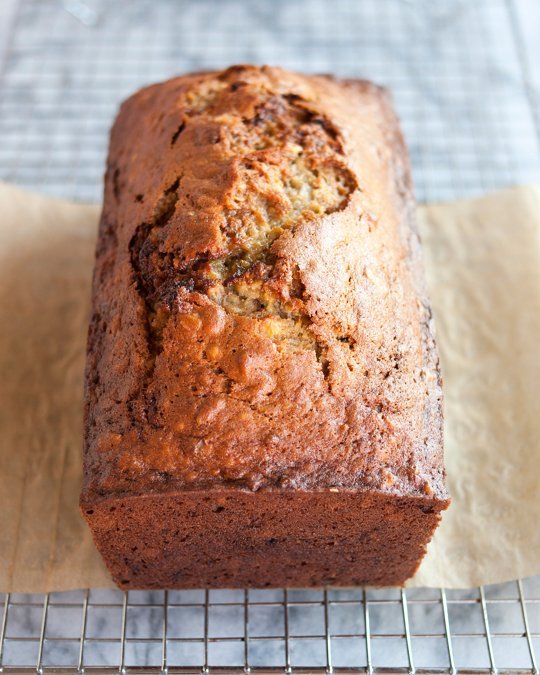


Healthy Banana Bread

523cb044dbfa3f291b002e0b._w.540_s.fit_

As the weather gets colder, it can be easy to seek comfort foods – particularly from foods in our discretionary food groups. It’s important to follow a balanced diet, including all of our core food groups, and having some discretionary items in small quantities is perfectly healthy. Unfortunately many of our discretionary items are energy dense, and lack many nutritional components that help fill us up – like dietary fibre and protein. This can quickly lead to us over-indulging in these foods, which in turn, can cause us to gain weight, and generally not feel at our best. Incorporating a nutritious snack/discretionary item is a great way to help feel fuller for longer, reduce our overall intake of discretionary food, and reduce our intake of ingredients like added sugar and saturated fats (ingredients that we should try and keep to a minimum). The below banana bread recipe is a great snack/discretionary option – with no added sugar, low in saturated fat and a source of dietary fibre and protein. Enjoy with a hot herbal tea (peppermint/lemongrass + ginger/chai). 


Healthy Banana Bread Recipe

Preparation Time: 10 Minutes 
Cooking Time: 50 Minutes
Serves: 12

Ingredients

  • 1/3 cup extra virgin olive oil
  • 2 eggs
  • 3 bananas – mashed (ideally very ripe)
  • 1/4 cup milk (of choice – regular, skim, soy, almond etc.)
  • 1 tsp baking soda
  • 1 tsp vanilla extract
  • 1 tsp ground cinnamon
  • 1/4 tsp salt
  • 1 3/4 cup wholemeal flour
  • 1/2 cup shredded coconut

Method

  1. Preheat oven to 165°C. Line a 25cmX13cm loaf pan with baking paper.
  2. Whisk together eggs and olive oil. Add mashed banana and milk and lightly whisk.
  3. Add the baking soda, vanilla, salt and cinnamon, and whisk to blend. Using a wooden spoon add remaining ingredients (flour, coconut and walnuts) and gently fold. Be careful not to over-mix as the banana bread won’t rise (a few lumps are ok).
  4. Pour into lined baking dish – bake 50-60 minutes (or when toothpick inserted comes out clean). Leave to cool in baking dish for 10 minutes before transferring to wire rack. Enjoy!
*Tips

STORAGE – Due to being moist, the bread will keep for 3-4 days at room temperature, or 5-7 days in the refrigerator. You can also slice the bread and freeze it individually for up to 3 months – let bread defrost or lightly toast bread after it’s been frozen.

ADDITIONS – nuts are a great addition to this recipe, add 1/2 a cup of your nut of choice when adding the final dry ingredients (my favourite is walnuts). If you prefer your banana bread sweeter, you can also add 1/4 cup honey in first step (this will increase the banana breads sugar content).

GLUTEN FREE – You can easily make this recipe gluten free by substituting the wholemeal flour to a gluten free alternative.

Nutritional Information (per serve)
Energy (Kj)    - 810kj
Fat (total)    - 8g
Saturated Fat  - 2.4g
Sugar          - 6.7g
Dietary Fibre  - 4g
Protein        - 5g

Coconut Oil: Good? Bad? Healthy?

SONY DSC

“Is coconut oil healthy?” This is an all too common question that comes up, and one that has a lot of different answers available on social media accounts, blogs and between health professionals. With all these mixed messages it’s no wonder people are confused.


Here are the facts:

  • Coconut oil contains around 90% saturated fatty acids (these quantities of saturated fats are huge compared to all other food sources).
  • There is a wealth of research strongly associating saturated fats with raising ‘bad’ LDL cholesterol, which in turn, increases the risk of plaque build up and heart disease.
  • Unlike olive oil, for example, which is predominantly made up of monounsaturated fatty acids and backed by a large body of evidence supporting its health benefits, there is little evidence to support any health-promoting effects of coconut oil.
  • The Australian Heart Foundation, The British Nutrition Foundation, The Australian Dietary Guidelines and The Dietitians Association of Australia all advise that due to its high saturated fatty acid content, coconut oil should be consumed only in small quantities. Instead suggesting that sources of unsaturated fatty acids are a better choice for everyday use. 

Although tasty and scented like a tropical holiday, for now I would be using coconut oil only occasionally. Extra Virgin Olive Oil on the other hand has a lot of research to back up its heart health claims, and is my oil of choice. If you would like more information, a great systematic review of current research on coconut oil health effects was released by The British Nutrition Foundation this year.